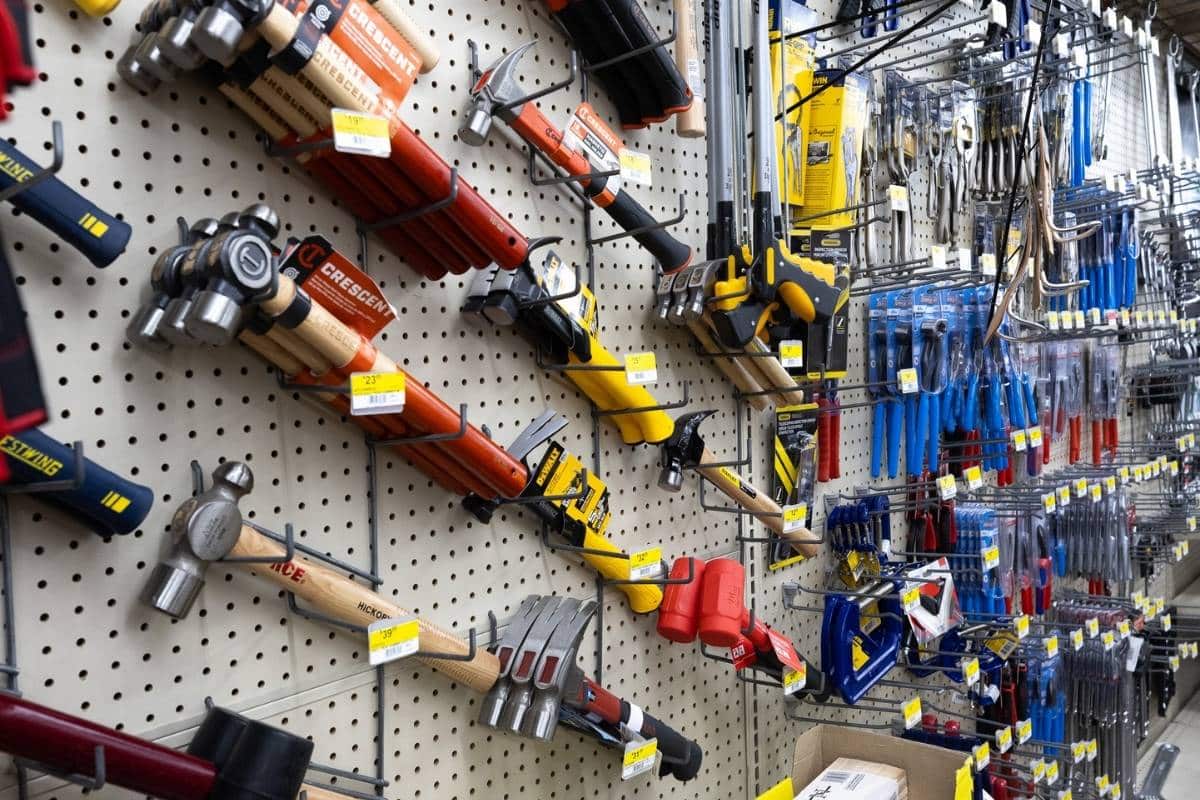
Every tool has a lifespan, but are you retiring yours too soon and visiting the tool store more than you should?
It’s easy to toss a worn-out tool in the back of the garage and assume it’s reached the end of the road. But not all scratches and dents mean it’s time for a replacement. With regular maintenance and a little know-how, many tools can last longer than you might think.
Whether you’re a weekend DIY enthusiast or use your tools on the job every day, knowing when to repair versus when to replace can save you time and money. Let’s dig into how to keep your tools running strong, when to make a fix, and how to tell when it’s finally time to upgrade.
How Long Should Tools Last?
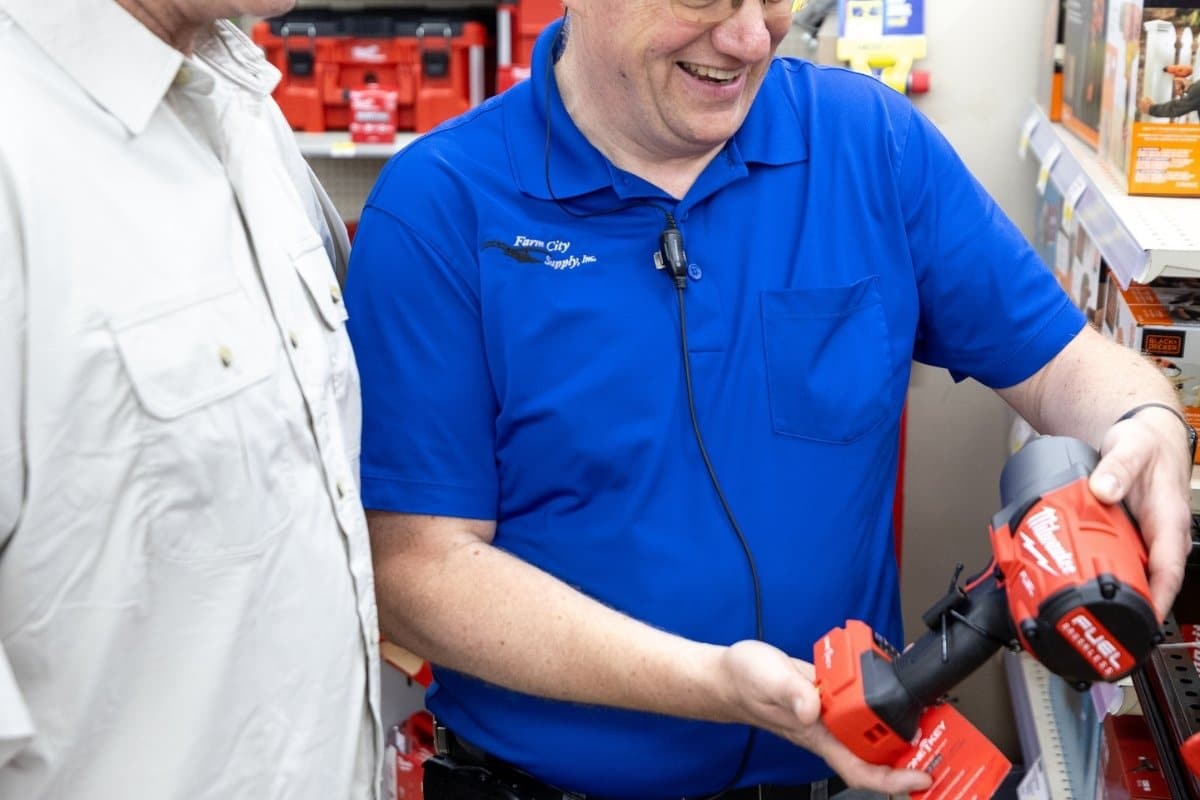
You’ve probably heard stories of someone still using their grandpa’s old wrench, and it’s true that hand tools can last for decades when treated right. But not all tools have the same lifespan, and knowing what to expect can help you plan ahead.
Average Tool Lifespans
- Hand Tools (like hammers, screwdrivers, wrenches): 20–30+ years with regular use and proper care.
- Corded Power Tools (like circular saws, drills): 8–12 years, depending on brand and usage.
- Cordless Power Tools: 5–10 years, though battery performance often fades sooner.
- Outdoor Tools (like trimmers, mowers, chainsaws): 7–10 years with seasonal maintenance.
These aren’t hard and fast rules, but they’re good ballpark figures. And most times, it’s not the tool itself that fails, but the neglected parts: dull blades, dirty motors, or cracked power cords.
What Affects Tool Longevity?
Several factors can either extend or shorten the life of your tools:
- Frequency of Use: A circular saw used daily on job sites won’t last as long as one used once a month in a home workshop.
- Environment: Humid garages, dusty barns, and freezing sheds can take a toll. Store tools in a dry, protected space to prevent rust and corrosion.
- Maintenance: Tools that are cleaned, sharpened, oiled, and inspected regularly just last longer.
Think of it like this: The better you treat your tools, the better they’ll treat you.
5 Signs It’s Time to Repair Your Tool
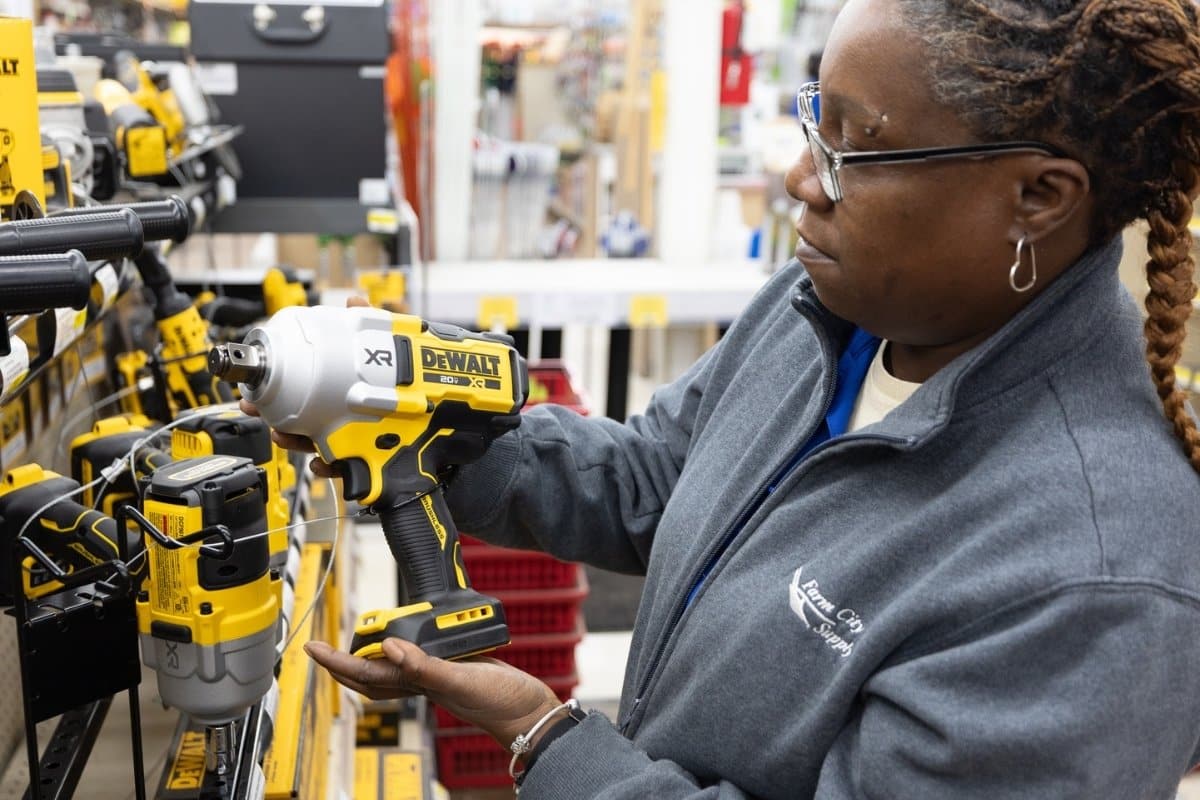
Just because your tool isn’t running like it used to doesn’t mean it’s ready for retirement. In many cases, a quick fix can get it back in action without breaking the bank. Here are five clear signs that it’s worth repairing instead of replacing:
1. It’s Slower, But Still Functional
If your drill takes a little longer to get through a board or your saw doesn’t feel quite as sharp, don’t panic. Minor performance dips often point to simple issues like dull blades or buildup inside the motor, nothing a little maintenance can’t fix.
2. The Problem is a Replaceable Part
Parts like belts, brushes, switches, or batteries are designed to wear out over time. Replacing them can breathe new life into your tool for a fraction of the cost of a new one. Just make sure the part is still available and compatible with your model.
3. There’s Wear but No Major Damage
Scuffed handles? A few cracks in the casing? Cosmetic wear is normal, especially on well-loved tools. As long as the structure is intact and it still functions properly, you can keep it in your lineup.
4. You Know It Like the Back of Your Hand
There’s something to be said for muscle memory. If the tool still feels comfortable and familiar (and gets the job done), there’s no rush to switch. New tools often come with a learning curve, and sometimes that old favorite is still the best fit.
5. The Repair Makes Financial Sense
Here’s a good rule of thumb: if the cost to repair is less than 50% of what it would cost to buy new, it’s probably worth it. Especially for high-quality tools, a small repair can extend the lifespan by years.
5 Signs It’s Time to Replace Your Tool
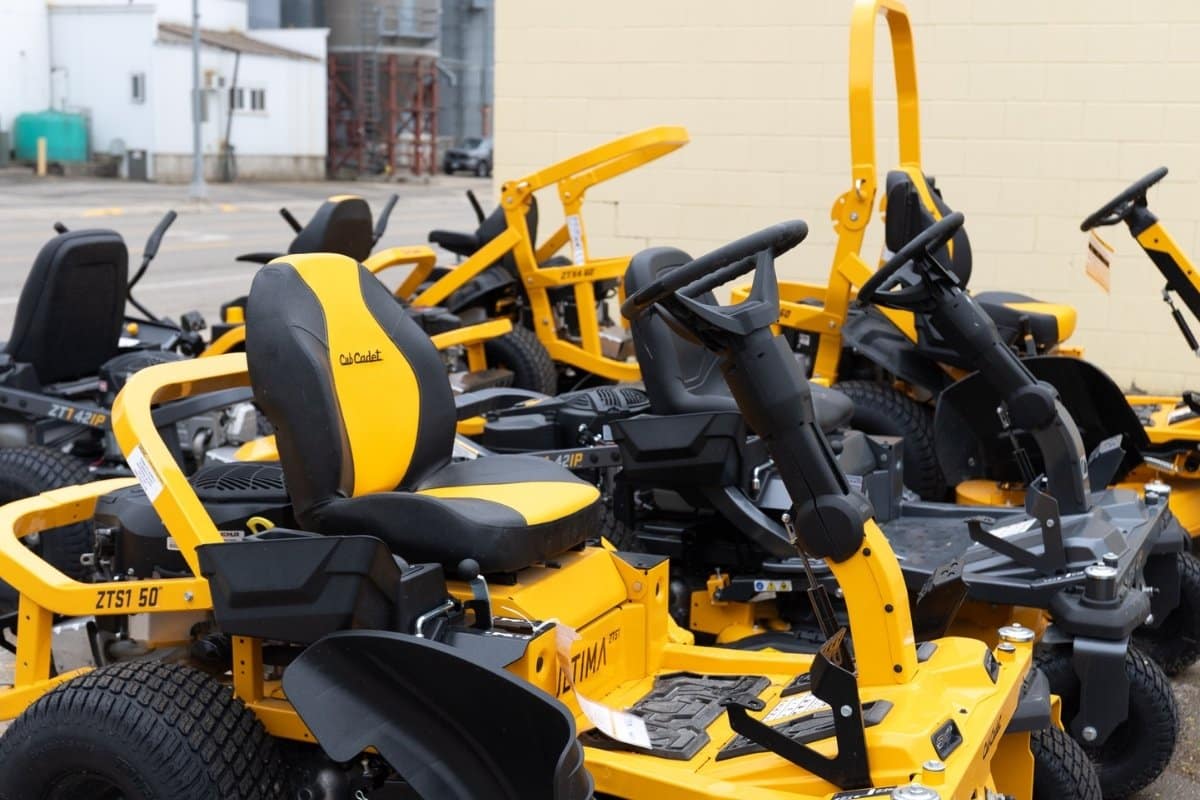
As much as we’d like our tools to last forever, there comes a time when even the best gear has to be retired. Here are five signs it might be time to stop repairing and start shopping for a replacement:
1. It Keeps Breaking Down
If you’ve already fixed it once (or maybe even twice) and it’s still acting up, that’s a red flag. Tools that constantly stall, jam, or underperform can slow you down and cost you more in the long run.
2. You can’t Find Replacement Parts
When parts are discontinued or hard to source, repairs become a headache. Without the right pieces, you’re either stuck improvising or paying a premium, neither of which is ideal for reliability or safety.
3. It’s No Longer Safe to Use
A cracked casing, exposed wiring, or loose components? Don’t take the risk. Tools that show signs of physical damage can pose serious safety hazards and should be replaced before they cause an injury.
4. It’s Outdated or Incompatible
Technology changes fast. Maybe your charger doesn’t fit the newer batteries, or your old model doesn’t have the torque or precision you need. If your tool can’t keep up with today’s projects or tools, it might be time to upgrade.
5. Repairs Cost More Than a Replacement
Sometimes, the math is simple. If the cost to repair a tool creeps over 50–60% of the price of a new one, it’s usually not worth it. Especially if it’s already nearing the end of its expected lifespan.
How to Extend the Life of Your Tools
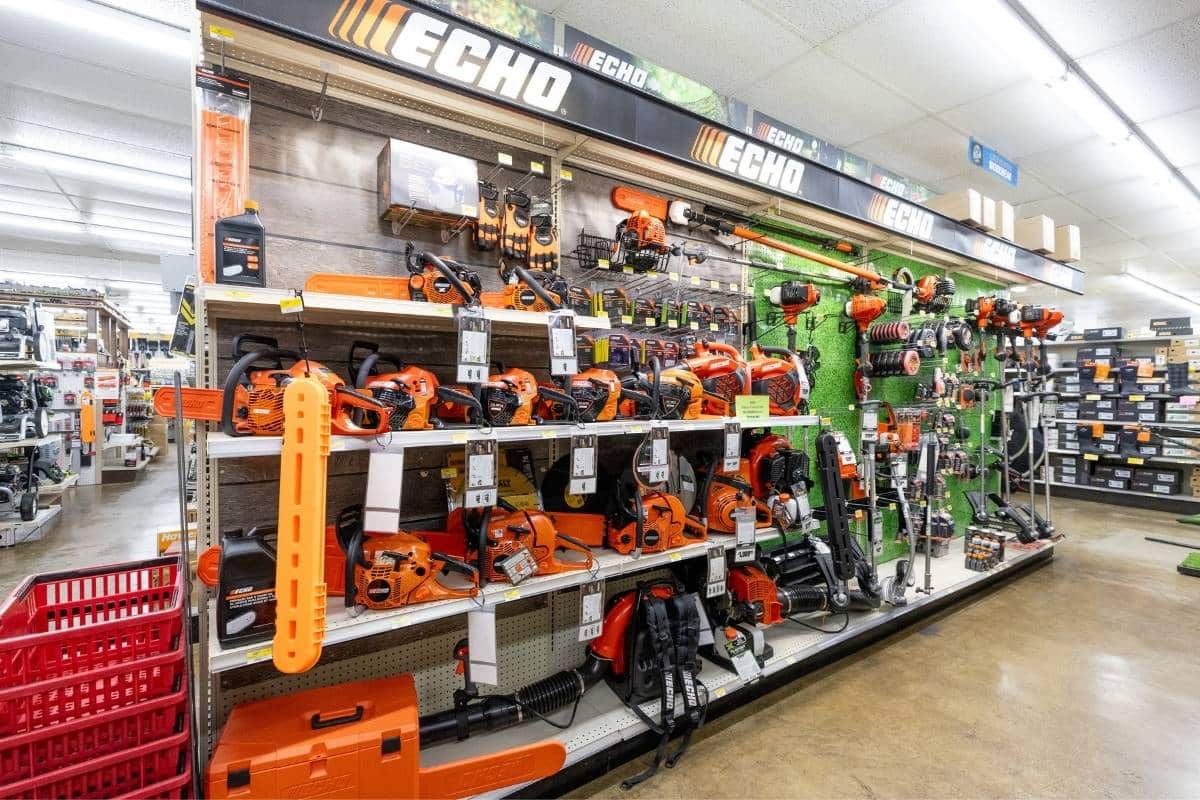
Want your tools to last? A little care goes a long way. Here are five quick tips to keep them in top shape:
- Clean and Store Properly: Wipe tools down after each use and store them in a dry, organized spot, away from dust and moisture.
- Use Them Correctly: Stick to the job the tool was made for. Using a screwdriver as a chisel? That’s a fast track to damage.
- Lubricate Moving Parts: Keep gears, blades, and motors running smoothly with occasional oil or grease. It prevents wear and keeps performance high.
- Do Seasonal Checkups: Twice a year, give your tools a once-over. Look for rust, dull blades, and worn parts that need replacing.
- Protect What You Invest In: Use tool bags, cases, and covers. It’s a simple way to guard against damage, especially in off-seasons or job site travel.
Common Tools Worth Repairing vs. Replacing
Not all tools are created equal when it comes to deciding whether to fix or toss. Here’s a quick breakdown:
Hand Tools
Wrenches, hammers, and screwdrivers are almost always worth repairing. A new grip or sharpening is usually all it takes.
Power Drills
If it’s a battery issue, replacing the battery might do the trick. But if the motor’s burned out, it may be more cost-effective to upgrade, especially if it’s an older model.
Lawn Equipment
For gas-powered mowers or trimmers, repairs can add up. If you’re facing repeated breakdowns, it might be time to upgrade to a quieter, low-maintenance electric model.
Specialty Tools
High-end or hard-to-find tools (like a precision torque wrench or jointer) are usually worth fixing, especially if you use them often or they’re part of a larger system.
When in Doubt, Ask an Expert
Not sure if your tool’s worth fixing? Don’t toss it just yet. Sometimes, a quick repair or simple part swap is all it needs, but it helps to get a second opinion. Click here to reach out or swing by in-person!
At Farm City Supply, our team knows tools inside and out. Bring yours in and we’ll help you decide whether it’s better to repair, replace, or upgrade. No pressure—just honest advice from folks who know what they’re talking about.
Save on Your Next Purchase—Sign Up for Our Monthly Newsletter
Get $5 Off Just for Signing Up
Sign up for our monthly newsletter and save $5 on your next purchase of $10 or more on regular-priced merchandise. It’s the easiest way to stay updated on local sales, seasonal arrivals, and special events at Farm City Supply.