Farming has always been at the heart of American life. Today, more than 2 million farms span the United States, generating nearly $450 billion in agricultural products annually (USDA, 2023).
Beyond numbers, farming remains a cornerstone of our culture and our communities, shaping traditions and supporting families for generations. In this article, we’ll look at why farming is still vital today and how stores like Farm City Supply help keep that legacy strong.
US Farming Culture Roots & Traditions
Here in the Midwest, farming has always been more than planting and harvesting. It’s a way of life carried from one generation to the next. Across the country, family farms make up about 95% of all U.S. farms (USDA, 2022), and in places like Minnesota, you’ll often find parents working side by side with their kids, teaching them not just how to run the farm, but how to respect the land.
Local traditions like county fairs, 4-H shows, and co-ops bring neighbors together to share knowledge, swap stories, and support one another. From summer farmers markets to the fall harvest, farming continues to shape our values of hard work, resilience, and community spirit, reminding us that agriculture is just as much about people as it is about crops.
How Farming Has Changed Over the Years

Farming has always adapted with the times. Not long ago, fields were worked with horse-drawn plows; today, many farmers guide their equipment with precision GPS technology, allowing them to plant and harvest with remarkable accuracy.
Advances in crop science, like hybrid varieties, GMO options, and improved breeding methods, have increased yields and helped crops withstand weather fluctuations. Irrigation systems and soil management practices have also grown more sophisticated, conserving water and protecting the ground for future generations.
While mechanization has eased much of the physical labor once required, it has also raised the cost of operating a farm, making equipment and technology major investments.
Here in Minnesota, you can see these changes in action. Corn and soybean production has steadily increased over the decades, thanks to better genetics, smarter equipment, and more efficient practices. From small family fields to large-scale operations, farming has shifted dramatically, but the dedication of the people behind it remains the same.
Modern U.S. Farming Landscape
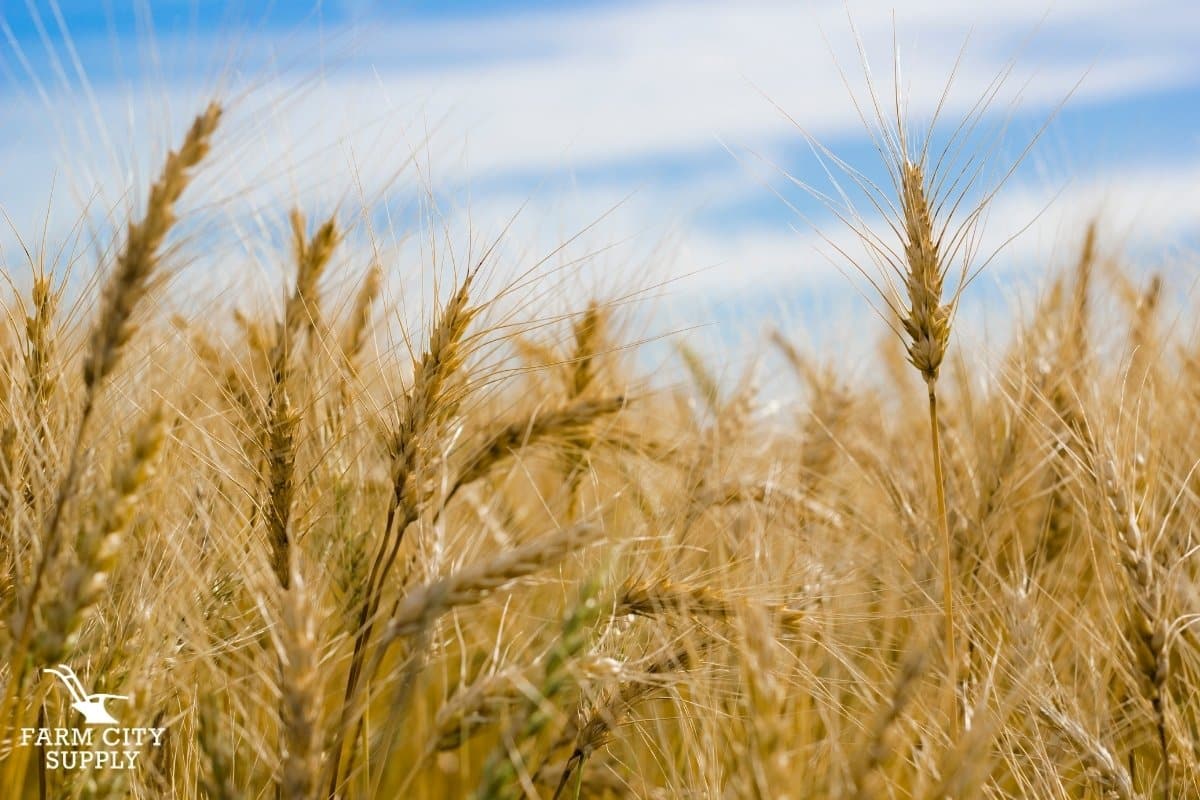
Today’s farming landscape in the U.S. is a mix of tradition and large-scale enterprise. While family-owned farms still account for approximately 95% of operations, a smaller number of large commercial farms now produce the majority of our food.
Global markets also play a big role in commodity prices, export demand, and trade agreements, which often influence what farmers plant each season. At the same time, many growers are leaning into sustainable and regenerative practices, working to protect soil health, conserve water, and ensure the land will be productive for generations to come.
4 Challenges Facing All US Farmers
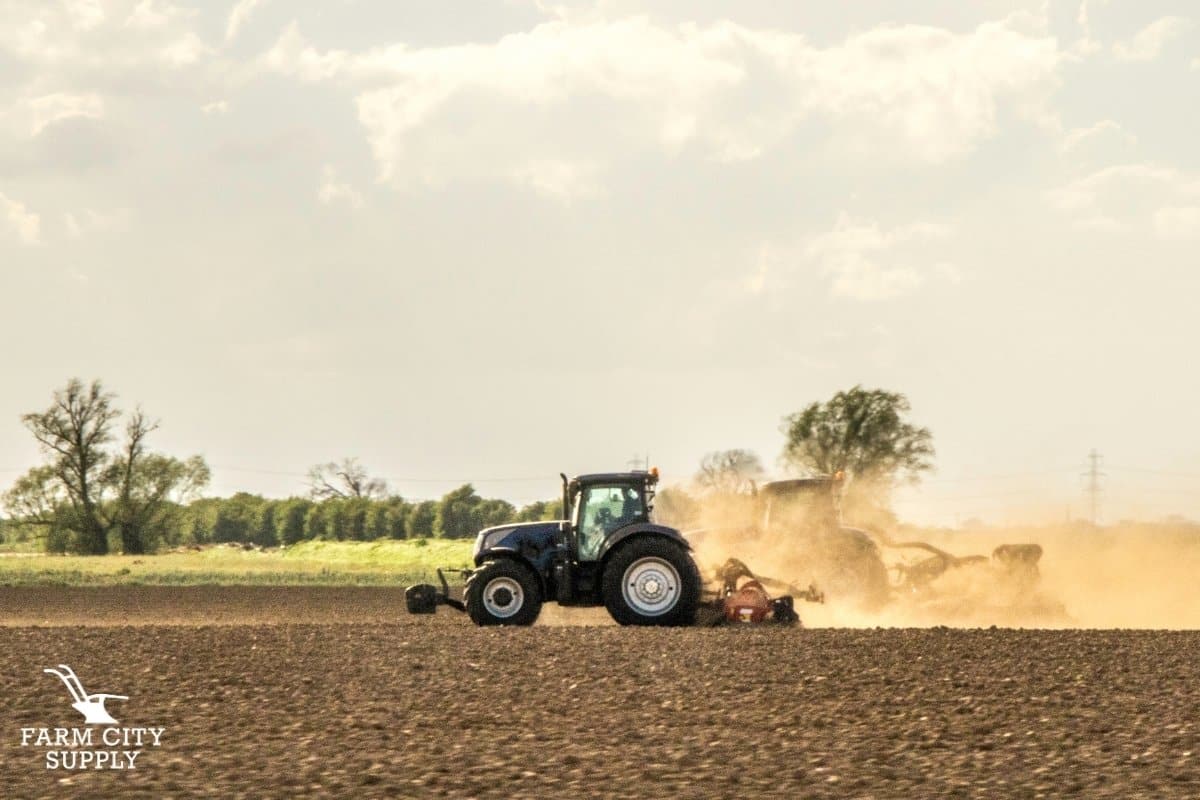
In Minnesota, these pressures are felt across dairy, corn, soybean, and sugar beet production, where farmers balance efficiency with stewardship. Here are the top 4 challenges that farmers face today.
1. Climate change and shorter growing seasons
Unpredictable weather patterns are shifting planting windows and forcing farmers to adapt quickly.
2. Soil erosion and water quality
Protecting topsoil and maintaining clean waterways are ongoing concerns that impact long-term productivity.
3. Fluctuating commodity prices and farm consolidation
Market swings create financial uncertainty, while consolidation makes it harder for smaller farms to compete.
4. Labor availability and generational succession
From seasonal help to full-time workers, labor is in short supply. Many families also face tough questions about who will continue the family farm in the future.
Despite these hurdles, U.S. farmers continue to innovate and persevere, proving once again the resilience that has always defined American agriculture.
How Farm City is Looking Ahead in Support of Local Farmers
Farming in Minnesota has always been about adapting, and the next 20 or 30 years will be no different. New technology like precision equipment and improved seed genetics will keep changing how we work the land, but one thing won’t change is the deep cultural roots farming has in our communities.
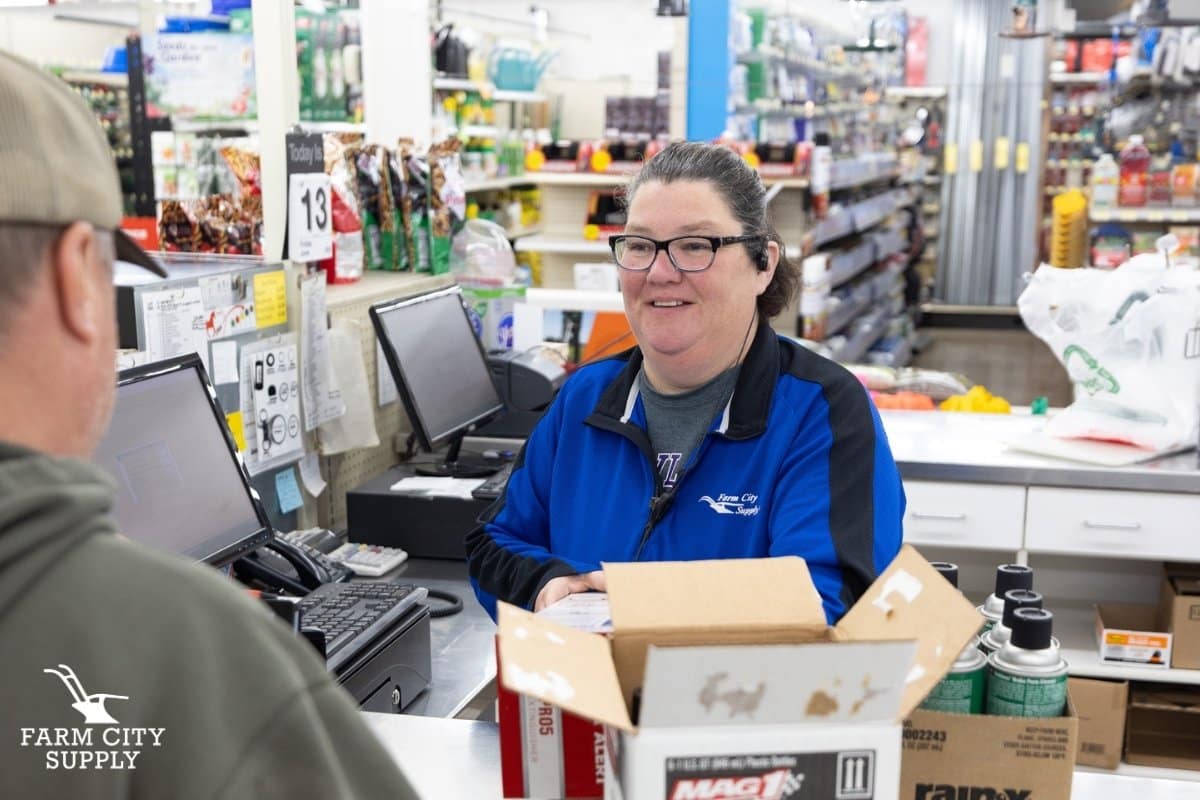
At Farm City Supply, we know the future of farming still comes down to having the right tools, good seed and feed, and advice you can trust. That’s why we focus on keeping supplies affordable and making sure you’ve got what you need to get the best yields out of your fields. And when questions come up about pests, crops, or what works best in our Minnesota soils, we’re here to share what we know.
For us, it’s not just about running a store, it’s about standing alongside local farm families and helping them succeed for generations.
Save on Your Next Purchase—Sign Up for Our Monthly Newsletter
Get $5 Off Just for Signing Up
Sign up for our monthly newsletter and save $5 on your next purchase of $10 or more on regular-priced merchandise. It’s the easiest way to stay updated on local sales, seasonal arrivals, and special events at Farm City Supply.